
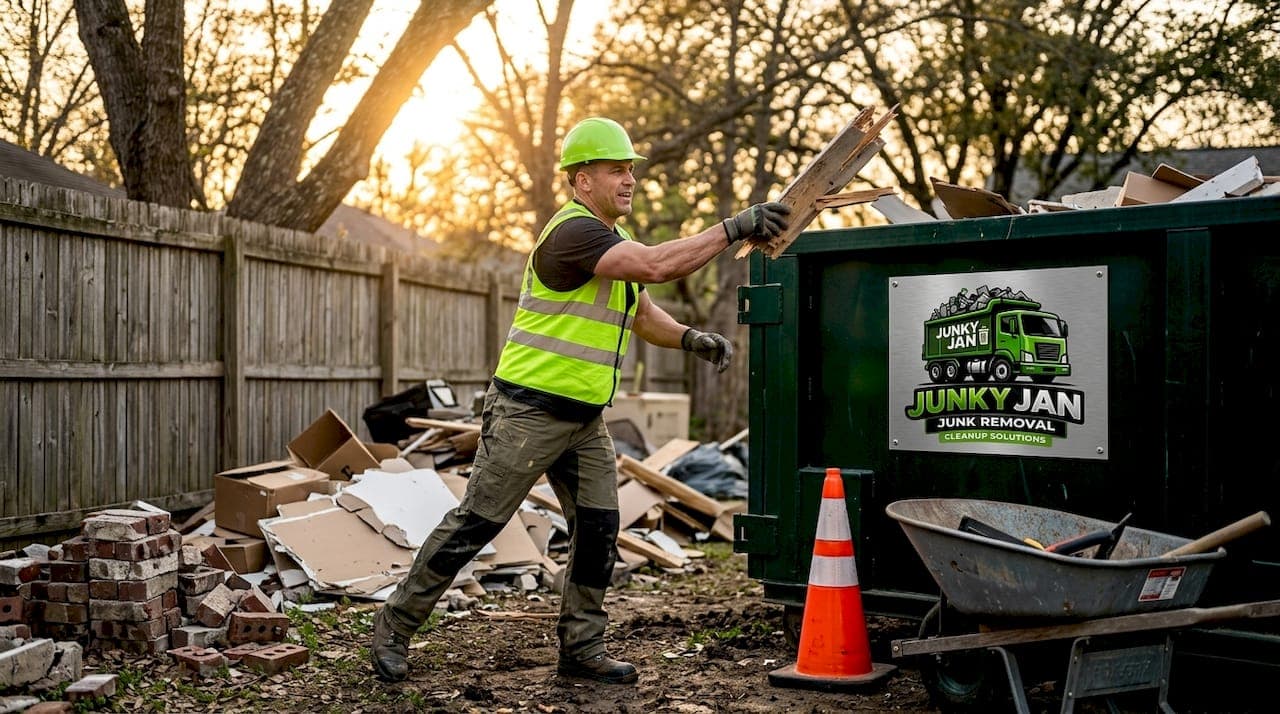
After a renovation or build, the pile of leftover materials staring you down is not just an eyesore. It's a logistical problem with real cost implications. Choosing the right types of construction debris removal depends on what you're hauling, how much it weighs, where it's going, and how fast you need it gone. Get this wrong and you're looking at overage fees, regulatory fines, or a dumpster that won't close. This guide breaks down every major removal method so you can make a smart call before the first load leaves the site.
Table of Contents
- Key takeaways
- 1. Types of construction debris removal: an overview
- 2. Roll-off dumpster rentals
- 3. Professional junk and debris hauling services
- 4. Recycling and donation programs for construction materials
- 5. Specialized removal for hazardous and bulky debris
- 6. Landscaping and yard debris removal
- 7. New construction debris hauling
- 8. Rental property debris removal
- 9. Choosing the right removal method: a comparison
- What I've learned about debris removal after years in the field
- Get your construction site cleared fast with Junky-jan
- FAQ
Key takeaways
| Point | Details |
|---|---|
| Weight beats volume | Heavy debris like concrete fills weight limits long before it fills a container, so always size by weight first. |
| Hauling beats renting for small jobs | A professional hauling service saves time and labor when you have a single-day cleanout or mixed debris. |
| Recycling cuts costs | Segregating wood, metal, and concrete at the source reduces disposal fees and can divert up to 60% of material from landfills. |
| Hazardous debris needs a separate plan | Treated lumber, asbestos, and chemicals require specialized disposal paths and cannot go in a standard dumpster. |
| Combine methods for big projects | Large builds benefit from using container rentals for bulk waste alongside hauling services for oversized or hazardous items. |
1. Types of construction debris removal: an overview
Not all debris is created equal, and not all removal methods handle every type well. Construction waste falls into a few broad categories: heavy inert materials like concrete, brick, and tile; light mixed debris like drywall scraps, insulation, and wood framing; bulky items like cabinets, doors, and fixtures; and hazardous materials like asbestos, treated lumber, and chemical containers.
The method you choose needs to match the category. A roll-off dumpster works great for mixed light debris but becomes a liability when you fill it with concrete. A professional hauling crew handles a kitchen gut-out in hours but may not be the most cost-effective option for a month-long build. Knowing what you have before you call anyone saves money and headaches.
2. Roll-off dumpster rentals
Roll-off dumpsters are the most widely used container option for construction site cleanup, and for good reason. They sit on-site for the duration of your project, you fill them at your own pace, and the rental company hauls them away when you're done.
Common sizes run from 10-yard containers for small bathroom remodels up to 40-yard containers for full demolitions. The catch most people miss is the weight limit. Concrete weighs roughly 4,000 pounds per cubic yard, which means a 10-yard dumpster rated for 2 tons can hit its limit after just one cubic yard of concrete. You'll pay overage fees for every ton over the limit.
Key considerations for container rentals:
- Size options: 10, 15, 20, 30, and 40-yard containers cover most residential and commercial needs
- Weight limits: Typically 2 to 8 tons depending on size and rental company
- Permit requirements: Street placement often requires a local permit, which adds cost and lead time
- Rental periods: Usually 7 to 14 days, with daily fees for extensions
- Debris restrictions: Most containers prohibit hazardous materials, tires, and electronics
Pro Tip: Never size your dumpster based on visual volume alone. If your debris includes concrete, brick, or tile, calculate by weight first. Mixing heavy materials with lighter debris in one container leads to overweight fees and sometimes requires a second haul.
3. Professional junk and debris hauling services
A debris hauling service sends a crew to your location, loads everything, and drives it away. No container sitting in your driveway for two weeks. No permit applications. No lifting on your end.
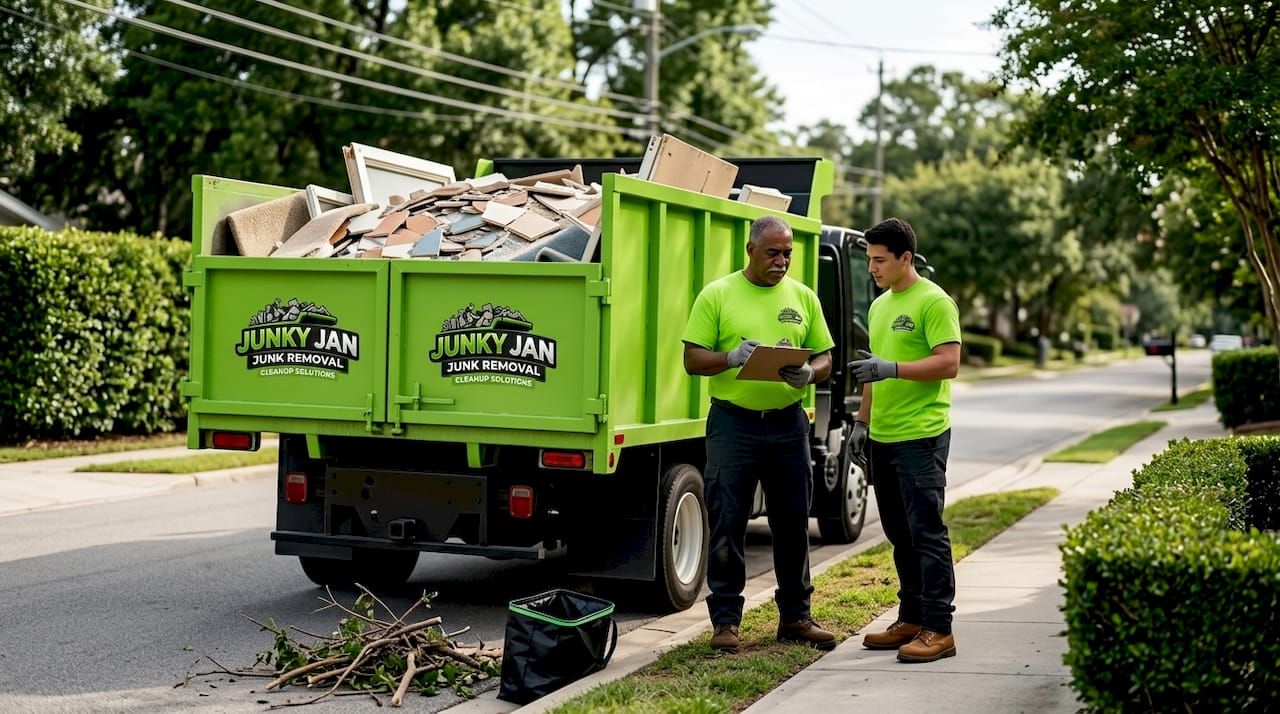
Junk removal companies typically assess pricing on-site based on the volume your debris occupies in their truck, not a flat rate. This makes hauling services particularly cost-effective for smaller loads or jobs where debris volume is hard to predict. You pay for what you actually have.
The labor savings are significant. For a contractor finishing a kitchen renovation, having a crew load and haul the old cabinets, countertops, and tile in a single visit beats renting a container, loading it yourself, and waiting for pickup. Licensed and insured teams also handle compliance with local disposal regulations, which matters when you're working in a municipality with strict waste management rules.
When hauling beats renting:
- Single-day cleanouts after a renovation
- Mixed debris that includes furniture, appliances, and construction waste
- Jobs where you don't have room for a container on-site
- Projects with tight timelines where you need same-day removal
Pro Tip: If your project generates debris in waves rather than all at once, a hauling service on a per-call basis often costs less than a multi-week container rental sitting mostly empty.
4. Recycling and donation programs for construction materials
Proper waste segregation is the most cost-effective step you can take toward sustainable debris disposal, and it's one most homeowners skip entirely. When you separate recyclable materials before removal, you reduce the volume going to a landfill and often lower your disposal fees in the process.
Materials that commonly qualify for recycling or donation:
- Wood framing and lumber (clean, untreated pieces can go to salvage yards or Habitat for Humanity ReStores)
- Metal scraps including copper pipe, steel studs, and aluminum flashing (scrap metal dealers pay by weight)
- Concrete and masonry (crushed and reused as road base or fill material)
- Drywall (gypsum is recyclable and accepted at many facilities)
- Cabinets, doors, and fixtures in good condition (donation programs keep these out of landfills)
"Segregating recyclables like wood, metal, and concrete at the source is the simplest way to reduce both disposal costs and environmental impact." — Construction Debris Disposal: A Contractor's Guide
Some professional services divert up to 60% of collected materials from landfills through recycling and donation partnerships. If environmental responsibility matters to your project, ask your removal service directly what their diversion rate looks like.
5. Specialized removal for hazardous and bulky debris
This is the category where DIY removal gets people into real trouble. Hazardous materials require completely separate disposal paths due to safety regulations and legal requirements. Putting the wrong material in a standard dumpster can result in the rental company refusing pickup, returning the container, and billing you for the contamination.
Common hazardous and regulated materials from construction sites:
- Asbestos: Found in older insulation, floor tiles, and ceiling textures. Requires licensed abatement contractors.
- Treated lumber (CCA): Contains arsenic and chromium. Cannot go to standard landfills.
- Lead paint debris: Requires containment and certified disposal.
- Roofing materials: Heavy and sometimes contain tar compounds that restrict disposal options.
- Chemical containers: Paint, solvents, and adhesives require household hazardous waste facilities.
| Material | Standard dumpster | Specialized disposal | Estimated cost premium |
|---|---|---|---|
| Asbestos | Not allowed | Licensed abatement required | High |
| Treated lumber | Not allowed | Designated facilities only | Moderate |
| Lead paint debris | Not allowed | Certified disposal | Moderate to high |
| Clean concrete | Allowed (weight limits apply) | Recycling facility preferred | Low |
| Roofing shingles | Allowed (check locally) | Specialty facilities available | Low to moderate |
Bulky items like old tubs, large HVAC units, and structural beams present a different challenge. They're not hazardous, but they're awkward to load and can damage container walls or exceed weight limits quickly. A hauling service with the right equipment handles these far more safely than a standard dumpster rental.
6. Landscaping and yard debris removal
What is a landscaping debris removal service? It's a specialized type of hauling focused on organic and yard waste generated during outdoor renovations, tree removal, or land clearing. This debris type gets its own category because it behaves differently from construction waste.
Grass clippings, branches, stumps, and soil are often handled through separate streams. Many municipalities offer green waste pickup or composting drop-off programs. For larger volumes, a dedicated yard debris hauler loads and transports material to composting facilities rather than landfills.
For contractors doing site prep or homeowners clearing land before a build, combining landscaping debris removal with construction waste hauling in a single service call saves time and money. Ask your removal provider whether they handle both categories before booking separately.
7. New construction debris hauling
What is new construction debris hauling? It's the ongoing removal of waste generated during an active build, not just the final cleanout. This is a distinct service type because the debris stream is continuous and predictable.
Framing scraps, packaging materials, concrete forms, and excess roofing material accumulate daily on a new construction site. Contractors typically set up a recurring hauling schedule or keep a long-term container rental on-site for the project duration. The key difference from renovation debris is volume. New builds generate far more waste per square foot, and construction waste management planning needs to happen before the first nail goes in, not after.
For large commercial builds, dedicated waste management contracts with weekly or bi-weekly hauls are standard. For residential new construction, a combination of a 20 to 30-yard container for ongoing waste and a final cleanout haul at project completion covers most needs efficiently.
8. Rental property debris removal
What is rental property debris hauling? It covers the removal of debris left by tenants, generated during unit renovations, or accumulated during property turnovers. Landlords and property managers deal with this constantly, and the debris mix is unpredictable.
A rental unit cleanout might include old furniture, broken appliances, construction waste from a bathroom update, and general junk all in one load. This is where a full-service hauling provider earns its keep. Rather than sorting debris into separate containers for different categories, a good hauling crew handles the sorting and disposal routing for you.
Post-construction cleaning is a related service that often follows debris removal, handling the fine dust and residue left after a renovation. For rental property managers turning over units quickly, pairing debris hauling with a post-construction clean gets the unit market-ready faster.
9. Choosing the right removal method: a comparison
| Method | Best for | Cost range | Weight handling | Environmental option |
|---|---|---|---|---|
| Roll-off dumpster rental | Long projects, large volume | Moderate | Limited by weight cap | Varies by provider |
| Professional hauling service | Single-day cleanouts, mixed loads | Moderate to high | Flexible | Depends on service |
| Recycling programs | Segregated materials | Low to none | N/A | High |
| Hazardous material disposal | Regulated materials | High | N/A | Required by law |
| Landscaping debris hauling | Yard and organic waste | Low to moderate | Light | High (composting) |
| New construction hauling | Active build sites | Moderate | Varies | Depends on provider |
For homeowners tackling a single room renovation, a professional hauling service is almost always the simplest and most cost-effective choice. For contractors managing a multi-week build, a container rental paired with a final hauling service covers both ongoing waste and the end-of-project cleanout. Budget, timeline, and debris type should drive the decision every time.
What I've learned about debris removal after years in the field
I've watched homeowners rent the wrong dumpster size more times than I can count. They see a 10-yard container, think it's plenty for a bathroom gut-out, and then fill it with tile and concrete in a single afternoon. The overage fees hit harder than the original rental cost.
The mistake contractors make is different. They plan the build in detail but treat debris removal as an afterthought. By the time they're ready to clear the site, they're paying rush rates or waiting days for a container. Planning removal at the same time you plan the project eliminates that scramble.
My honest take is that most projects benefit from combining two methods. Use a container for the bulk of ongoing waste during the project, then bring in a hauling crew for the final cleanout and any oversized or specialty items. The combination costs a bit more upfront but saves time, avoids overage fees, and gets the site clear faster.
Sustainability is not just a feel-good goal here. Segregating materials at the source genuinely reduces what you pay for disposal. Metal and clean wood have value. Concrete can be recycled. Every load that doesn't go to a landfill is a fee you didn't pay.
— gam
Get your construction site cleared fast with Junky-jan
After reading through all the options, the next step is finding a service that actually handles the job without the hassle.

Junky-jan serves homeowners, landlords, and contractors across Miami, Hollywood FL, and Broward County with same-day and next-day debris removal. Whether you're clearing a renovation site, finishing a new build, or turning over a rental property, the crew handles loading, hauling, and responsible disposal for you. Pricing is based on load size with no hidden fees, and the team is licensed and insured. Book your debris removal service today and get your site cleared on your schedule, not the dumpster company's.
FAQ
What is a construction debris removal service?
A construction debris removal service collects, hauls, and disposes of waste generated during renovation or building projects. Services range from container rentals you fill yourself to full-service hauling where a crew does all the loading.
How do I choose between a dumpster rental and a hauling service?
Use a dumpster rental for long projects where debris accumulates over days or weeks. Choose a hauling service for single-day cleanouts or when you have mixed debris that includes furniture, appliances, and construction waste together.
Can concrete go in a standard roll-off dumpster?
Yes, but weight limits apply strictly. Concrete weighs around 4,000 pounds per cubic yard, so even a small amount of concrete can push a container over its weight limit and trigger overage fees.
What happens to hazardous materials from a construction site?
Hazardous materials like asbestos, treated lumber, and lead paint debris cannot go in standard dumpsters or with regular debris. They require licensed contractors and specialized disposal facilities, which adds cost and planning time to any project.
How much of construction debris can actually be recycled?
Quite a bit. Professional services can divert up to 60% of materials from landfills by routing wood, metal, concrete, and drywall to recycling facilities and donation programs.